
Structural Scanning in Florida
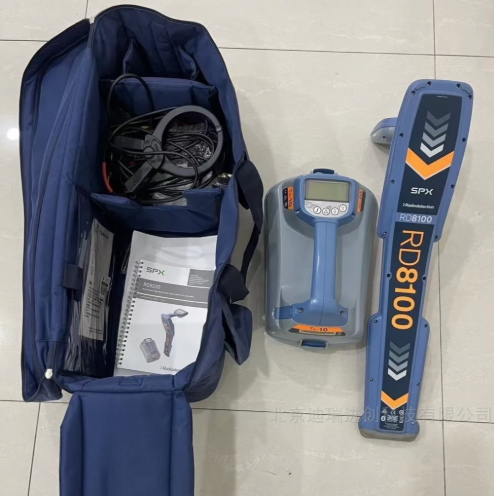
When the work involves cutting, penetrating, or anchoring into a beam, column, shear wall, or transfer slab, you need to know what's inside the structural member before the saw or drill makes contact. Structural concrete scanning uses GPR to map reinforcement, PT tendons, and embedded elements inside beams, walls, and columns — giving contractors and engineers the information they need to plan modifications safely.
When Structural Scanning Is Used
- New openings through reinforced concrete walls — before cutting for doors, windows, MEP penetrations, or duct openings
- Beam and column penetrations — before drilling through a beam web for piping or conduit routing
- Shear wall modifications — before cutting into a shear wall for any reason, including tenant improvement openings
- Transfer slab scanning — before any penetration through high-load structural slabs that carry column loads
- Retrofit anchoring into structural elements — before installing anchors into beams or columns where primary reinforcement must be avoided
- Adaptive reuse and renovation — before modifying older concrete structures with unknown or poorly documented reinforcement
What the Scan Identifies
- Primary reinforcement bars — direction, approximate spacing, and depth within beams, walls, and columns
- Post-tension tendons in PT beams, slabs, and walls
- Stirrups and ties in beam and column members
- Embedded conduit, sleeves, or blockouts within structural members
- Approximate concrete cover over primary steel
What Structural Scanning Cannot Replace
GPR scanning produces field data that informs safer planning — it is not a structural analysis. Decisions about whether a penetration or modification is structurally acceptable require the engineer of record. Scan findings should be reviewed with the structural engineer before work proceeds on load-bearing members.
- GPR cannot determine bar size or structural capacity
- GPR cannot assess whether a proposed opening is acceptable from a load path standpoint
- Heavily congested or high-density reinforcement can limit signal penetration
What You Receive
- Paint or tape markings on the structural member showing reinforcement layout and no-cut boundaries
- Identification of safer zones for proposed penetrations or anchors
- Verbal briefing with the contractor or engineer on findings before work begins
- On request: photo-documented scan results and field notes for engineering coordination
Schedule Structural Scanning Before Your Next Modification
Tell us the structural element type, the proposed penetration or modification, and whether drawings are available. We will confirm scheduling and scope quickly.
Request a Structural Scanning QuoteFrequently Asked Questions
Related services: Post-Tension Cable Scanning | Rebar Scanning | GPR Concrete Scanning | What Is GPR Scanning?